Food is supposed to unite us, but it’s funny how it can also spark some of the biggest disagreements. What one person calls comfort food, another might call unthinkable. Every culture has its “absolutely nots” — the ingredients that cross a line, the meals that make outsiders squirm. Whether it’s pork, beef, bugs, or anything fermented long enough to develop its own personality, food taboos quietly shape how we see the world and each other.
But here’s the thing: food taboos aren’t really about taste. They’re about what we believe. What we put—or don’t put—on our plates says something about our identity, our upbringing, even our values. Maybe your childhood dinner table had its own unwritten rules. Maybe certain foods felt symbolic, or some were off-limits for reasons nobody ever fully explained. Those choices become part of our cultural DNA.
Still, breaking a food taboo—respectfully and with curiosity—can be eye-opening. Tasting something unfamiliar isn’t just about adventure; it’s about empathy. When you try food that feels foreign, you’re not just eating differently—you’re seeing differently. And that’s the beauty of it: sometimes the “forbidden bite” isn’t about food at all. It’s about expanding what we’re willing to understand.
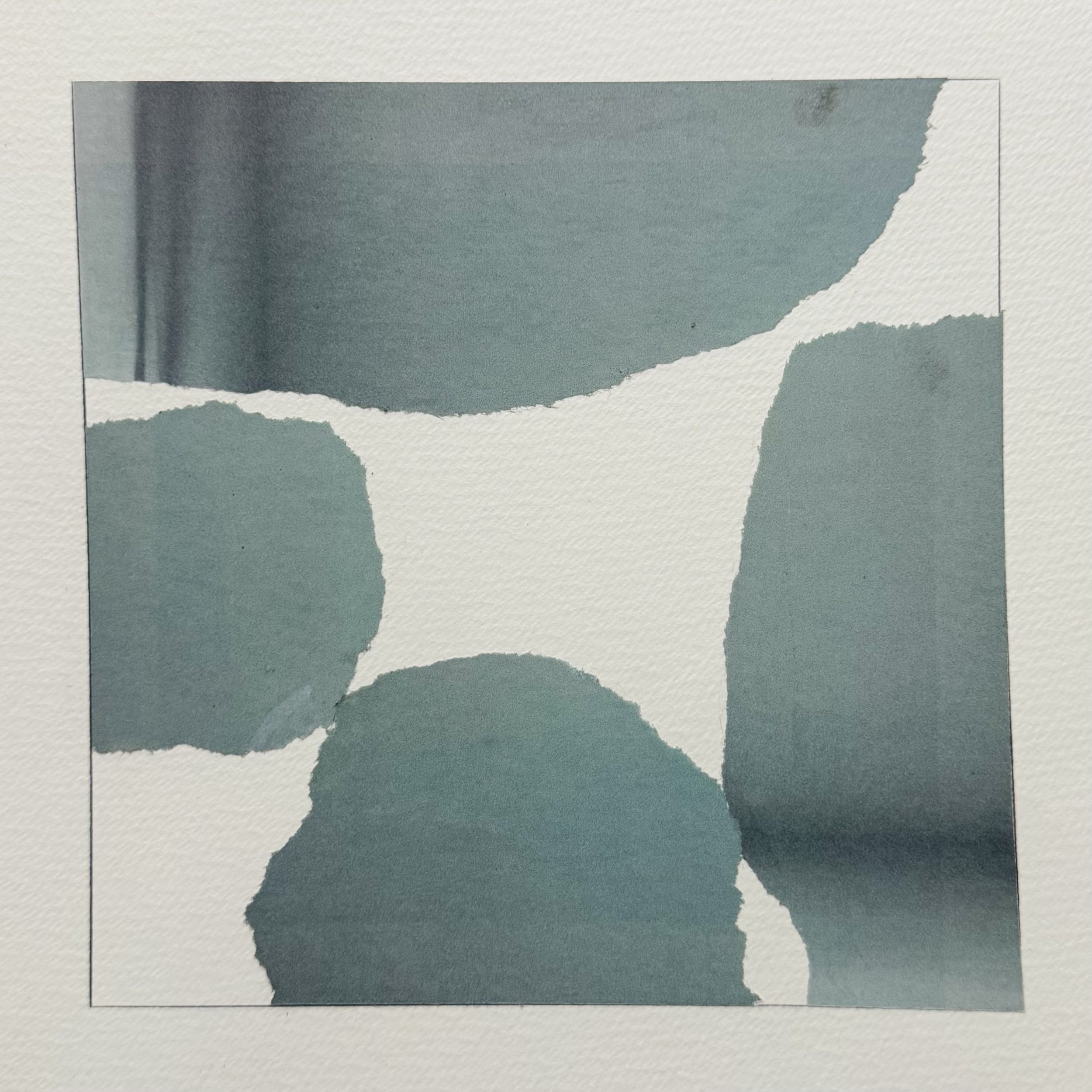
Collage by Heather Polk, “What is Taboo? 2.26.2026”, 2026, torn magazine pages on watercolor paper, 8 in x 8 in